Delta Force: The Elite Unit Of The United States Army
BlogDelta Force: The Elite Unit Of The United States Army - As the nature of threats continues to evolve, so too must the Delta Force. Emerging challenges such as cyber warfare and asymmetric threats require new strategies and capabilities. The unit's ability to adapt and innovate will be critical in maintaining its effectiveness in the years to come. The Delta Force is equipped with the latest in military technology, ensuring they have the tools needed to succeed in their missions. This includes state-of-the-art firearms, night vision devices, and communication equipment. The unit also utilizes specialized vehicles and aircraft, allowing them to deploy rapidly and effectively.
As the nature of threats continues to evolve, so too must the Delta Force. Emerging challenges such as cyber warfare and asymmetric threats require new strategies and capabilities. The unit's ability to adapt and innovate will be critical in maintaining its effectiveness in the years to come.
Despite their success, the Delta Force faces numerous challenges in their operations. The inherent risks of working in hostile environments, combined with the ever-evolving nature of threats, require constant adaptation and innovation. Ensuring the safety of operators while achieving mission objectives is a delicate balance that the unit must maintain.
The Delta Force has been involved in numerous successful operations that have had a significant impact on global security. From the capture of high-profile targets to the prevention of large-scale terrorist attacks, their accomplishments are a testament to their effectiveness. These successes have earned them respect and admiration from both military and civilian communities.
Delta Force teams are small, highly skilled units capable of operating independently or as part of larger operations. Each team consists of specialized roles, including team leaders, snipers, communicators, and medics. This diverse skill set ensures that the team is prepared for any situation they may encounter during a mission.
What makes the Delta Force unique is its rigorous selection process and training, which only the most capable and resilient individuals can pass. This article will delve into the history, structure, training, and operations of the Delta Force, shedding light on their role in shaping modern military strategy while maintaining their reputation as the epitome of excellence in special operations.
One of the primary roles of the Delta Force is to combat terrorism. This includes conducting raids on terrorist cells, gathering intelligence, and neutralizing high-value targets. Their expertise in this area has been instrumental in dismantling numerous terrorist networks worldwide.
The Delta Force represents the pinnacle of excellence in special operations, embodying the principles of expertise, authority, and trustworthiness. Their dedication to protecting national security and their ability to adapt to new challenges make them an invaluable asset to the United States Armed Forces. As we look to the future, the continued evolution of the Delta Force will be crucial in addressing the ever-changing landscape of global threats.

We invite you to engage with this content by sharing your thoughts and insights in the comments section below. Your feedback helps us improve and provide more valuable information. Additionally, explore other articles on our site to deepen your understanding of military operations and global security issues.
Investment in advanced training methods and technology will play a key role in shaping the future of the Delta Force. Embracing new technologies and incorporating them into training programs will ensure that operators are prepared for the challenges of tomorrow. This forward-thinking approach will help maintain their position as leaders in the field of special operations.
The Delta Force operates under the Joint Special Operations Command (JSOC), which oversees all special operations forces in the U.S. military. This organizational structure allows for seamless coordination and integration with other units, enhancing the effectiveness of their missions. The command structure is highly decentralized, giving operators on the ground the autonomy needed to make critical decisions quickly.
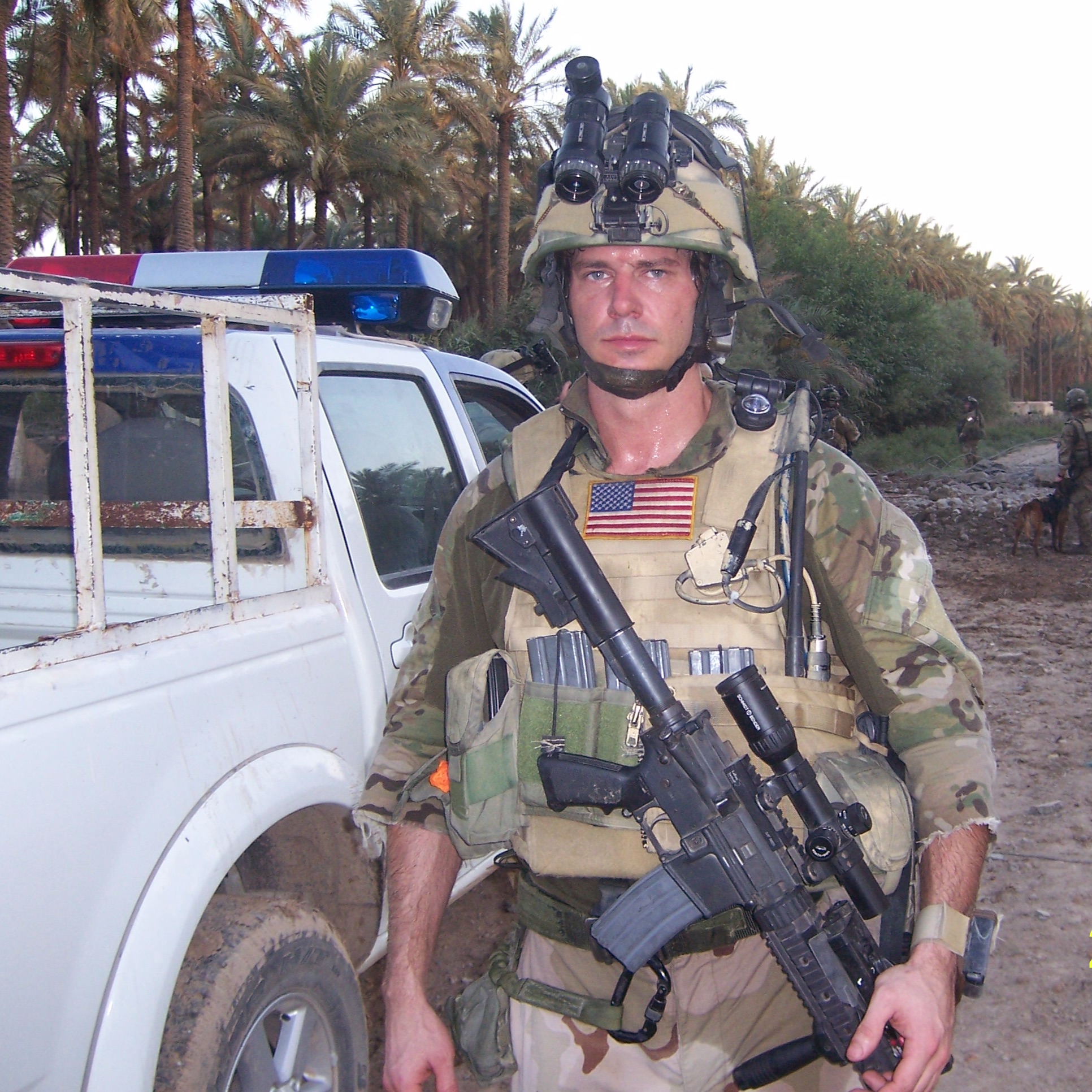
Technology plays a crucial role in the success of Delta Force operations. From drones providing real-time intelligence to advanced encryption systems securing communications, the integration of cutting-edge technology enhances their operational capabilities. This technological advantage is a key factor in their ability to outmaneuver adversaries.
Once selected, operators undergo an intensive training regimen designed to prepare them for the most challenging missions. This includes advanced marksmanship, close-quarters combat, and specialized skills such as free-fall parachuting and urban warfare. The training emphasizes teamwork, problem-solving, and adaptability, ensuring that each operator is capable of performing under any circumstances.